A guide to brewing, choosing, and enjoying moka coffee.
Why we keep coming back to moka
Good coffee doesn’t need much counter space.
A moka pot makes rich, concentrated coffee on your stovetop. As water heats in the bottom chamber, pressure pushes it through the ground coffee and into the top, ready to pour.
You can drink it as a small, strong coffee, lengthen it with hot water, or add warm milk. Once you know the basics, it’s an easy way to make the kind of cup you like.
How to brew coffee in a moka pot
The trick is to let the pot do its work over gentle heat. Here’s a straightforward method to get you started.
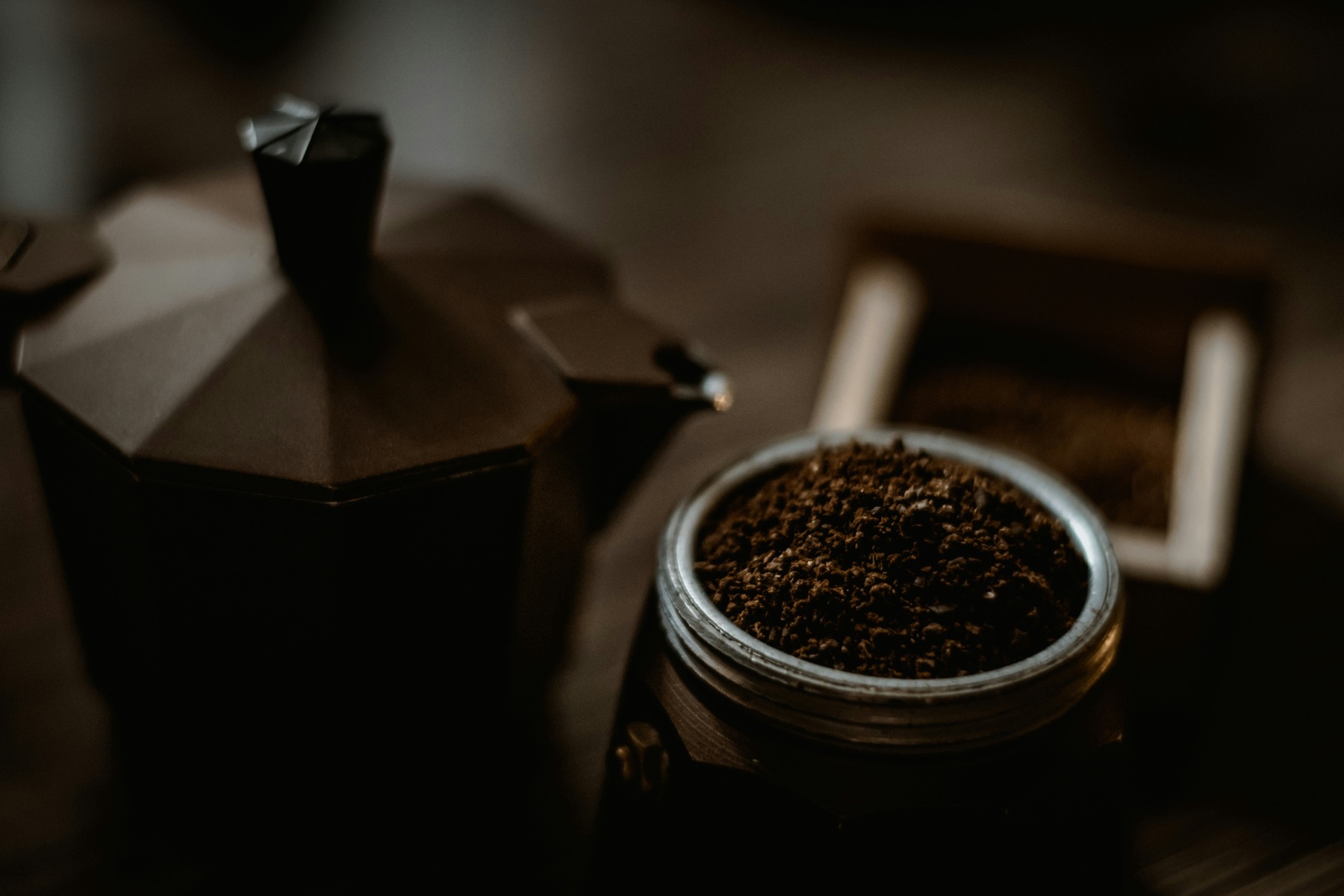
Fill the basket loosely and level it off before brewing. Don’t heap or compress the grounds.
Fill the base with water
Fill with fresh water to just below the safety valve, leaving the valve uncovered. Use your pot’s instructions for its exact fill level.
Add the ground coffee
Use a medium-fine grind: finer than typical drip coffee, but coarser than espresso. Fill the basket loosely, level the top, and clear the rim. Never tamp it. See the coffee guide below for texture and shopping tips.
Assemble the pot and heat gently
Check the filter and gasket, then screw the chambers together securely. Start on medium-low heat, roughly 3–4 on a 10-setting dial as a trial, not a universal setting. Keep gas flames beneath the base. Avoid high heat or induction boost; aim for a gentle flow, not a forceful rush.
Take it off the heat when it’s ready
Allow roughly 3–6 minutes on the stove, sometimes longer with cold water, a larger pot, or a gentler burner. Stay nearby and judge by the brew, not a timer: take it off the heat when the flow turns pale and starts to gurgle. Use the handle and a heat-safe resting place; let it cool before opening.
This starting method follows Bialetti’s Moka Express guidance. Your model’s manual comes first. Before first use, follow its washing and seasoning instructions.
What grind size does a moka pot need?
Think fine sand, with small grains you can still see and feel, rather than flour-like powder. This is a rough visual cue, not a precise measurement. Moka sits between a typical espresso grind and a typical drip grind; grinder numbers vary too much to give one setting for everyone.
If you buy pre-ground coffee, look for a moka-pot illustration or a stovetop brewing recommendation. An “espresso” label doesn’t guarantee the right grind. A coffee shop can grind whole beans for moka if you don’t own a grinder.
Which coffee beans work well in a moka pot?
Start with a medium roast with chocolate, nut, or caramel tasting notes if you want a rounded, familiar cup. A medium-dark roast is another good starting point, especially with milk. These are flavor suggestions, not requirements: lighter roasts can work too, with a brighter, fruitier result.
Whole beans labeled “espresso” or “filter” can both work. Those labels describe the roaster’s intended style; they don’t restrict the brewing method. The grind matters separately. Choose the flavor you enjoy, then have the beans ground for moka.
Your stove and the amount of coffee you usually drink will help narrow the choice more than any list of “best” pots.
A “cup” isn’t a mug.
Moka sizes count small coffee servings. Check the listed milliliter capacity rather than treating a six-cup pot as six full mugs. Choose a size you’ll normally brew in full.
01
The familiar classic
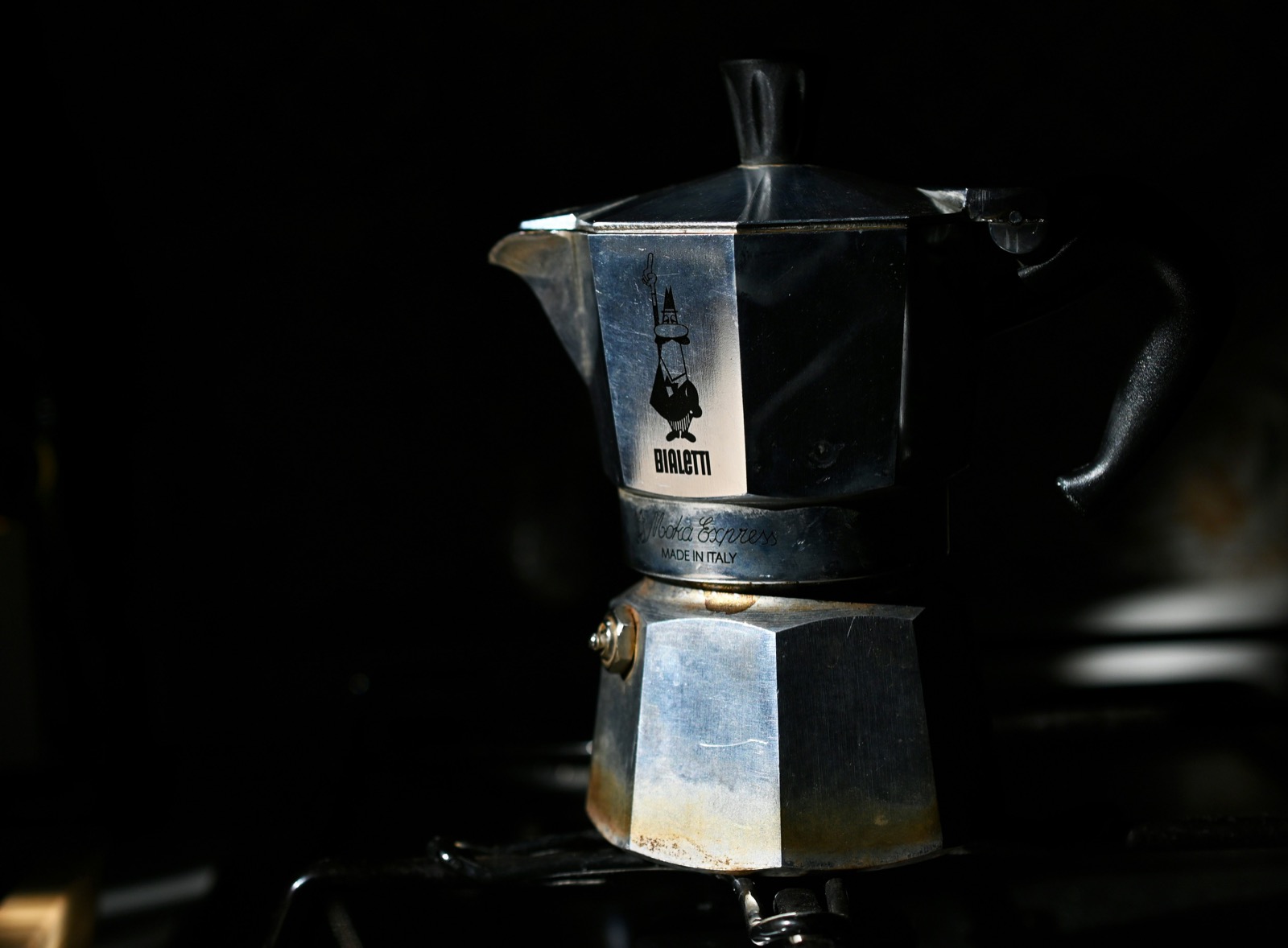
Bialetti Moka Express
The angular aluminum design most people picture when they hear “moka pot.” A starting point for gas or suitable electric stovetops.
Check before buying The classic aluminum model does not work directly on induction. Confirm the size and your stove’s requirements.
About the shopping links As an Amazon Associate I earn from qualifying purchases. Purchases through qualifying links may earn this site a commission at no extra cost to you.
A specifications-based shortlist, not a hands-on review or ranked test. Consult the Moka Express manual and Venus specifications for model details. Retailer links open in a new tab.
Giving a moka pot as a gift?
A moka pot makes a thoughtful gift for someone who enjoys making coffee as much as drinking it. Its compact size suits a first apartment, a housewarming, or a kitchen with little room for another appliance.
Before choosing one, find out what kind of stove they use and how much coffee they usually make. Induction compatibility is model- and size-specific, and a six-cup moka pot does not make six full mugs.
For a simple gift set, pair the pot with a small bag of medium-roast coffee, ground for moka if they don’t own a grinder. A couple of small cups are a nice addition. Include the brewing instructions so the first cup feels approachable.
In 1933, Alfonso Bialetti introduced the Moka Express. Its compact aluminum body brought a new way of making concentrated coffee into the home, with a design that would become instantly recognizable.
The pot’s story is also one of everyday familiarity. Bialetti’s little mustachioed character became a fixture of Italian television advertising in the 1950s and beyond. The coffee maker became part of the furniture of daily life.
Its lasting appeal has as much to do with using it as looking at it. Filling the basket and waiting for the coffee to rise gives a familiar shape to the start of the day.
If a brew disappoints, change just one thing next time so you can tell what helped.
My coffee tastes bitter or burnt.
Try gentler heat and stop heating as the brew finishes. A darker roast can also taste more bitter; try a medium roast if that isn’t your preference. Keep the pot clean according to its manual.
My coffee tastes weak.
Check that the basket is filled loosely and evenly, using a grind intended for moka. Very coarse grounds or too little coffee can produce a thin result. Use fresh coffee, and don’t try to make a smaller batch by partly filling a standard basket.
It’s leaking or no coffee is coming through.
Turn off the heat and let the pot cool completely before opening. Check the gasket, filter, basket, and rim for wear, residue, or incorrect assembly. Never force a blocked pot to brew by increasing the heat. Follow the manufacturer’s maintenance instructions before using it again.
Is moka coffee the same as espresso?
No. Both are concentrated, but a moka pot brews at much lower pressure than an espresso machine. Expect a different texture and flavor rather than an espresso shot with a thick crema.
How should I clean it?
Let it cool, take it apart, and clean it according to the model’s instructions. Bialetti specifies water-only rinsing for the Venus; don’t assume stainless steel means dishwasher-safe. Dry the parts thoroughly before storing.
What else do I actually need?
Coffee ground for moka, water, and a compatible stove are enough to begin. A grinder lets you adjust freshness and grind later. A milk frother is optional if you enjoy milky drinks. Get to know the pot before buying more equipment.
Mokapot is an independent guide to stovetop coffee. The brewing advice draws on manufacturer instructions and published coffee guides, with sources linked beside the relevant sections. Product recommendations compare stated features, compatibility, and replacement-part needs; they are not based on hands-on testing.
The site earns commissions from qualifying Amazon purchases. It is not affiliated with Bialetti or any other coffee-maker manufacturer. Photography is credited below.